Monday, November 24, 2014

Visiting the Ngwe Saung beach


We spent the past weekend at the Ngwe Saung beach. It is situated west of Yangon, in the Bay of Bengal, Ayeyarwady Region. On the same shore, but up to the north, there is the famous Ngapali beach. The Ngwe Saung beach is not very developed nor very popular with tourists also probably due to the4h30 drive (260km) to reach the small fishermen village situated in the middle of the 12 km long beach.

The last stretch of the road is taking you up to a hilly and curvy road for almost one hour drive before reaching the seaside. The scenery is beautifully green but you can notice a lot of deforestation to plant instead rubber trees on most of the slopes. 

It is a place where the tourist will come to relax and not to party or do many activities. It is such a place we hoped to find.

We arrived late Friday evening. The place is ideal if you like to wake up early morning to take an hour long walk on the beach.  The beach is wide, quiet and almost empty. Sometimes you feel like on an endless deserted beach. It is a wide, silver-grey sandy beach with very fine sand. We noticed that on the beach, long time ago, there was a coconut tree plantation.  Many of the beautiful and tall palms are still decorating the hotel grounds. The seabed is very gradual which is nice as it allows to feel at ease and to enjoy the warm and clean water.
 
They say there are strong currents but at this time of the year we could have a nice swim. There are a lot of crabs, white and red, who rest at the edge of their sand holes when nobody is around. On the shore we found some very delicate and beautiful shells. Back on the sun lounger we watched the few locals passing by, either walking or riding a motorbike (scooter). Indeed they use motorbikes on the beach as it is very wide and the outgoing tide makes a stretch of sand quite hard and it is used as a local motorway. There are not many of them so it is not bothersome and you can hardly hear them since the beach is so wide and they are quite far away from the sunbeds. Sometimes, vendors sell you coconuts or fingerfood (small grilled fish or gambas). They are not pushy and will only approach you if you signal to them. One coconut costs 1000 Kyats (1USD). Drink the water and wait for another coconut seller and ask them to cut it open for you so that you can enjoy the coconut meat.


You can walk on the beach to the village or to the Lover’s Island in the southern end of the beach. At low tide you can walk from the beach to this island which can make a nice stroll from your hotel.

We stayed at Eskala hotels and resorts, a 46 days old resort, as the manager informed us upon arrival. We booked on agoda.com, had a reduction and got a good price for two nights: 195 USD all taxes included, with breakfast. We were really happy with our stay. The best things were the nice staff and the beautiful swimming pool. As for lunch and dinner we enjoyed some good fish and different salads in a number of restaurants which we can all recommend: Golden Myanmar, Jasmine, Family or the Silver Blue Sea (family-run) restaurant.


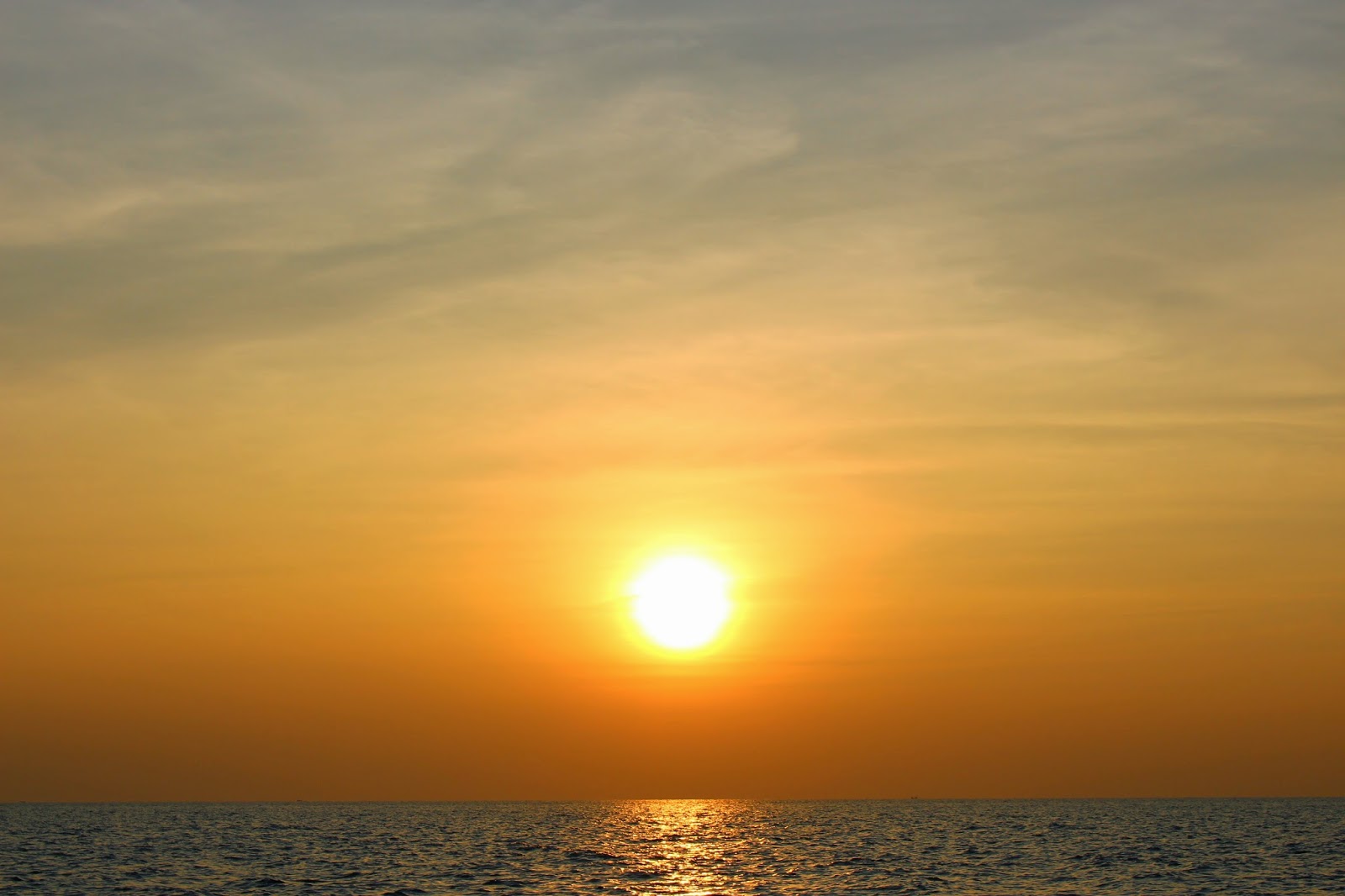
The village is small and many hotels, restaurants and souvenir shops line the main street. The tourists may rent a bike, motorbike or book an excursion for snorkeling and/or fishing. The price for a boat trip, for one full day (the same price goes for half a day), is 80.000 Kyats. We booked a fishing boat for half a day. The boys had fun fishing while all of us enjoyed the beautiful sunset. Two locals who joined the boat were fishing probably their evening dinner with some rudimentary and original fishing gear made out of bottles on which the fishing line was attached.


The road from Yangon to the beach is not in a good repair and is quite dangerous and narrow. There are animals, bicycles, pedestrians, motorbikes, cars, tractors, and buses on the streets. In fact, village life unfolds on this road as it passes through countless villages. The road takes you through the upper delta region of the country and at this time of the year they harvest the rice. It is done manually and the rice is dried at the road side. Once the sun sets and darkness sets in, driving becomes tiring and risky as many vehicles and pedestrians have no lights or the cars buses and trucks use their long beam headlights even if you approach them, blinding you in the process. Blinded you have to pay attention to your side of the road which is often a challenge as there could be a motorbike (without lights) and pedestrian or an animal...


Thursday, November 20, 2014

British colonial buildings in Rangoon

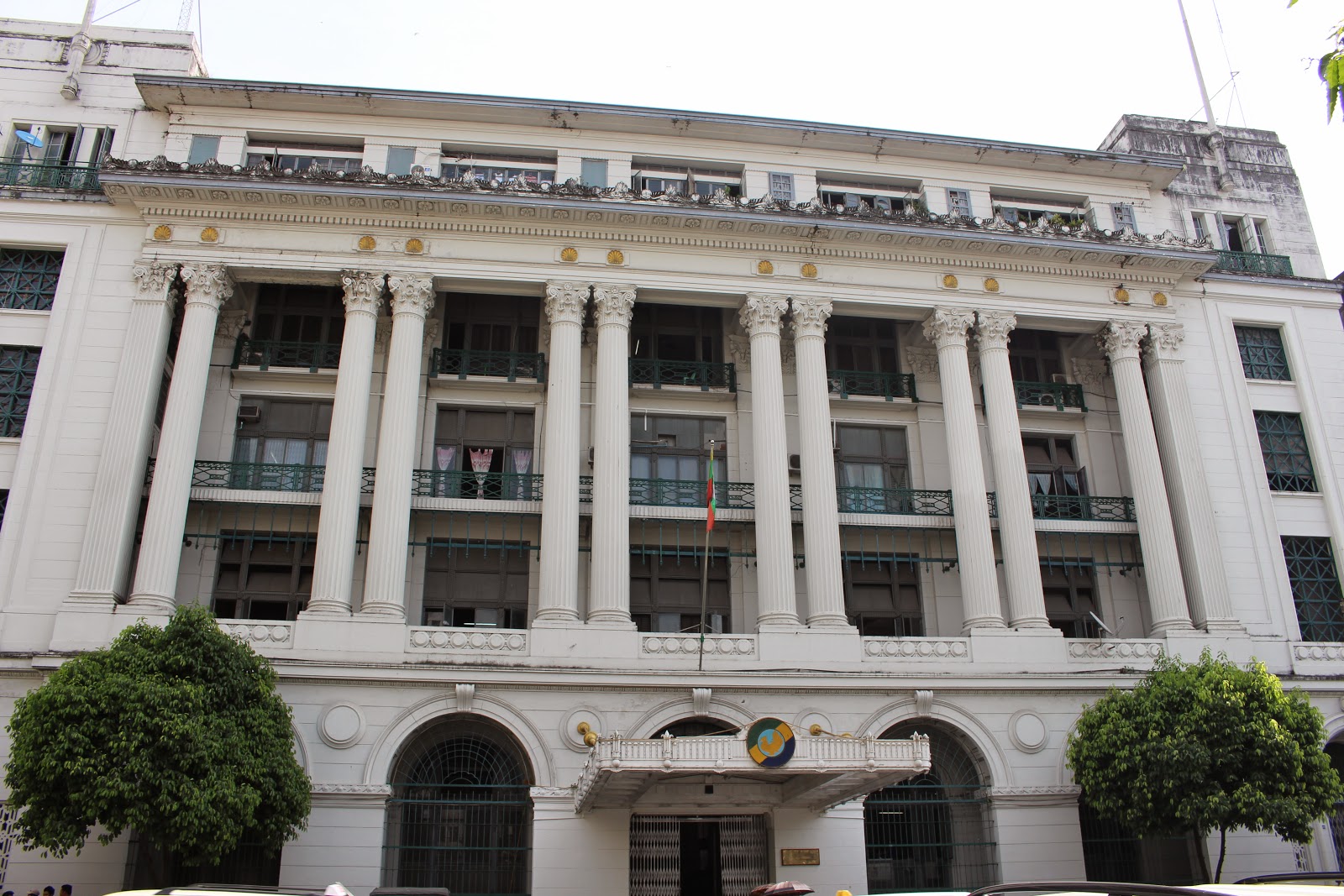
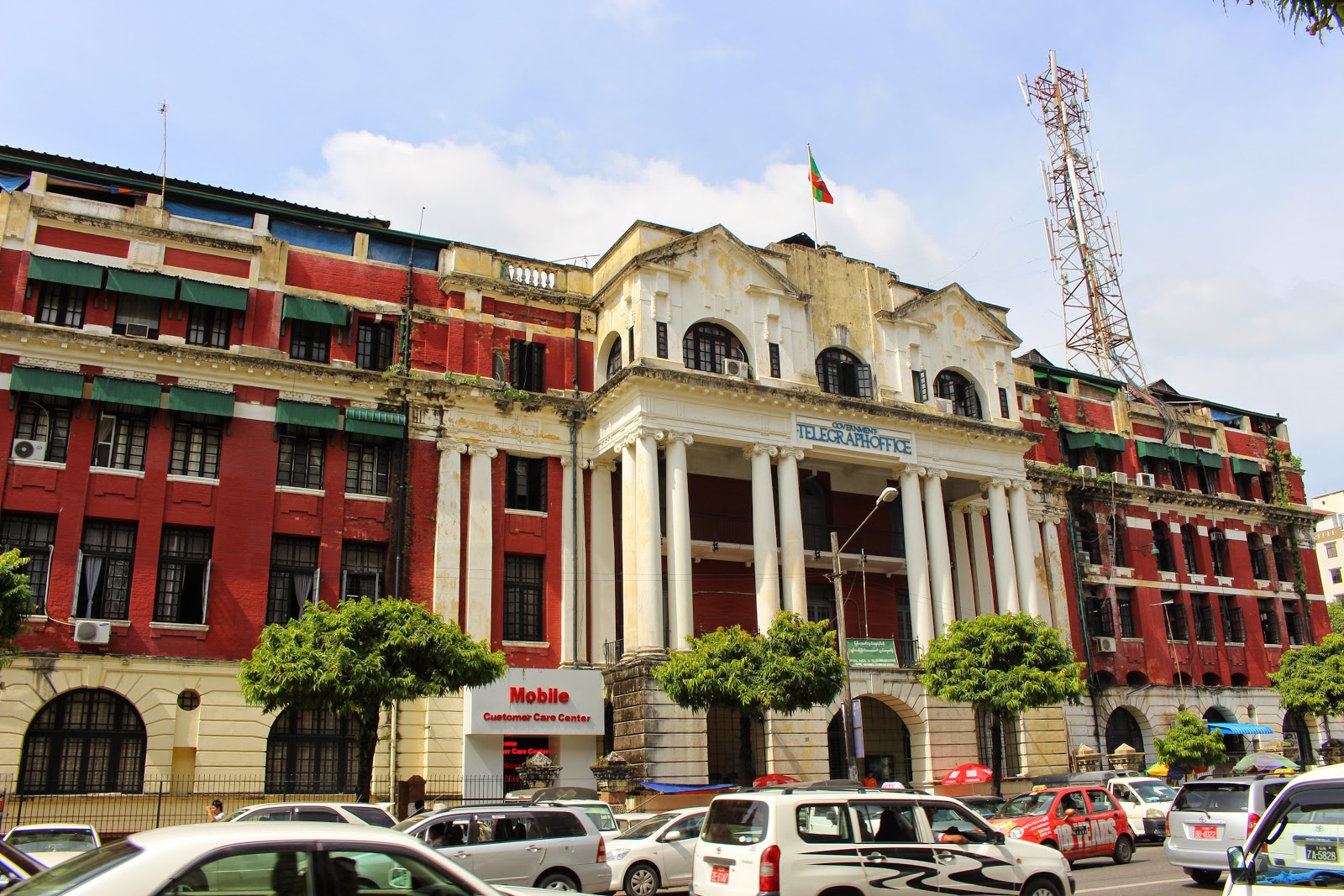
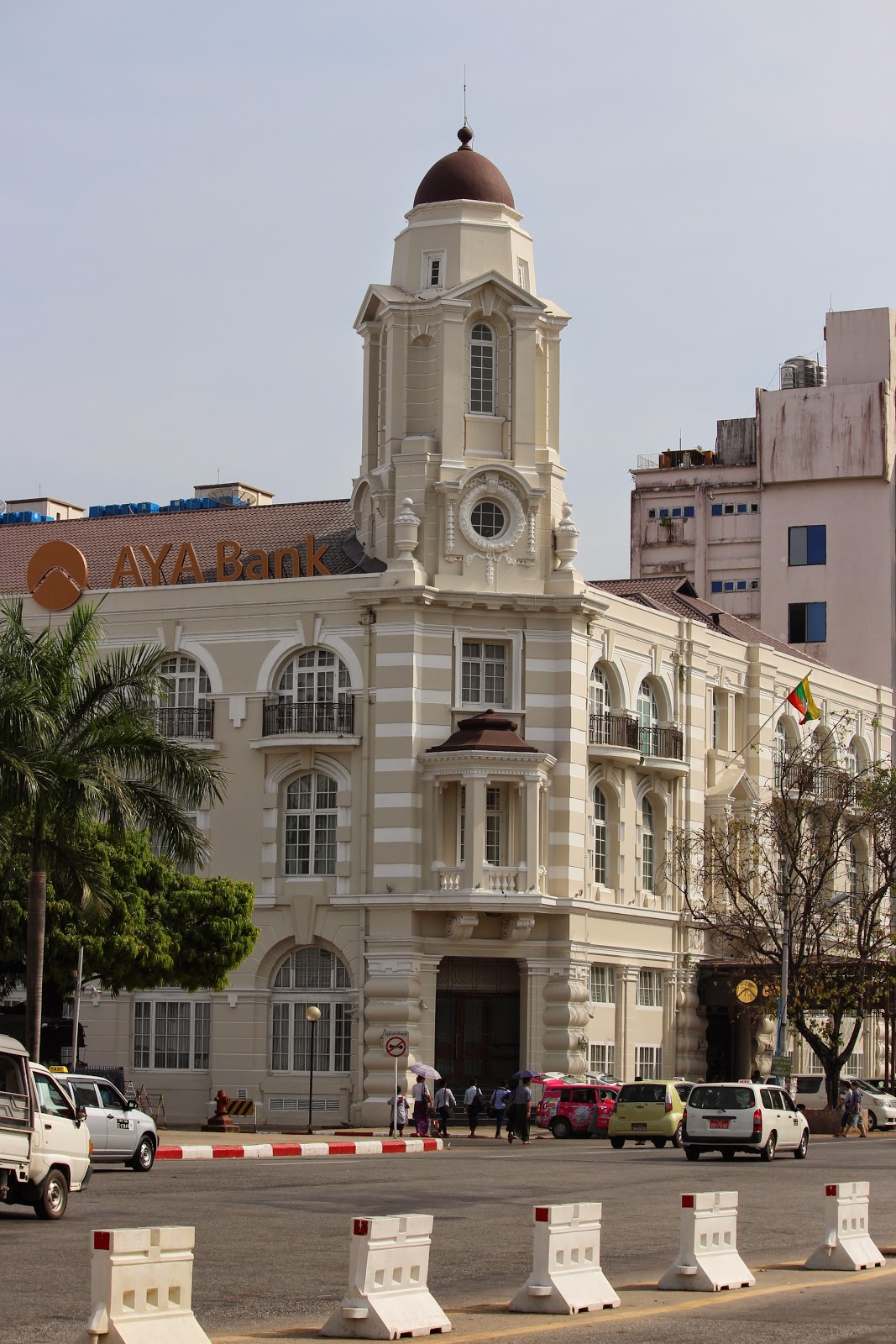
It seems the city, once Burma's capital, has the highest number of colonial buildings in Southeast Asia. This morning I walked the streets of downtown Yangon to discover and photograph some of them. It made me feel like I was stepping back in time.

Here is a recent article about the struggle to preserve and renovate this important colonial heritage.

Yangon City Hall, built in 1936.


High Court building, built in 1914.


Inland Water Transport building.


Myanmar Port Authority, built in 1920


Probably the most renowned colonial building is the Strand Hotel, built in 1901.


Rander House, commissioned by Indian traders and built in 1936.


And below some other colonial buildings. As you noticed only a few are renovated but this is changing slowly with more and more investors and funds coming into the country. Imagine all the below buildings (and many more) renovated. What a beautiful city Yangon will be!


Wednesday, November 19, 2014

Discover the teak and rattan furniture of Myanmar


If you live here and want to buy traditional and good quality furniture go for rattan and teak wood. These are the two main raw materials for furniture in the country.

It was extraordinary to discover these beautiful and resistant materials and especially local designs. In Yangon you will find unique pieces not by visiting the big furniture stores but by looking for producers who recondition old furniture. You will find small workshops hidden and unknown discovered only by speaking with local people.
 
Here is a selection of shops/workshops which recondition old furniture or create custom-made new pieces from old wood and make the rattan furniture you want based on pictures from old magazines:

1. Helping Hands - reconditioned teak wood furniture
Address: 92B, Ngar Htat Gyi Pagoda Road, close to the Traditional Medicine Hospital, German Embassy and Kandawygi Lake.
Phone: 01 556 482 / 01 554 824
(closed on Sundays)
They moved recently and all information which is online is out-dated.


Helping Hands is first and foremost a social project. We met the owner of the project, Ms Jenny an Australian lady very kind and welcoming. In the furniture workshop which lies around Jenny's house work around 50 young men all with difficult social backgrounds. Jenny does not get involved in the organisation of the workshop anymore but she put at their disposal a big part of the garden.

Inside the house, on the ground floor, ladies are sewing by hand or at the machine lovely traditional items: bags, napkins, dresses and T-shirts for kids, pillow covers, etc. You can buy their products on spot or at Pomelo.

 
On the second floor lives Jenny and her family. The house kitchen serves daily food  (except Sunday) for more than 50 persons. The place and the house are beautiful but what makes the place unique are the people working there and their mastery to create such beautiful products.
How it works?
 
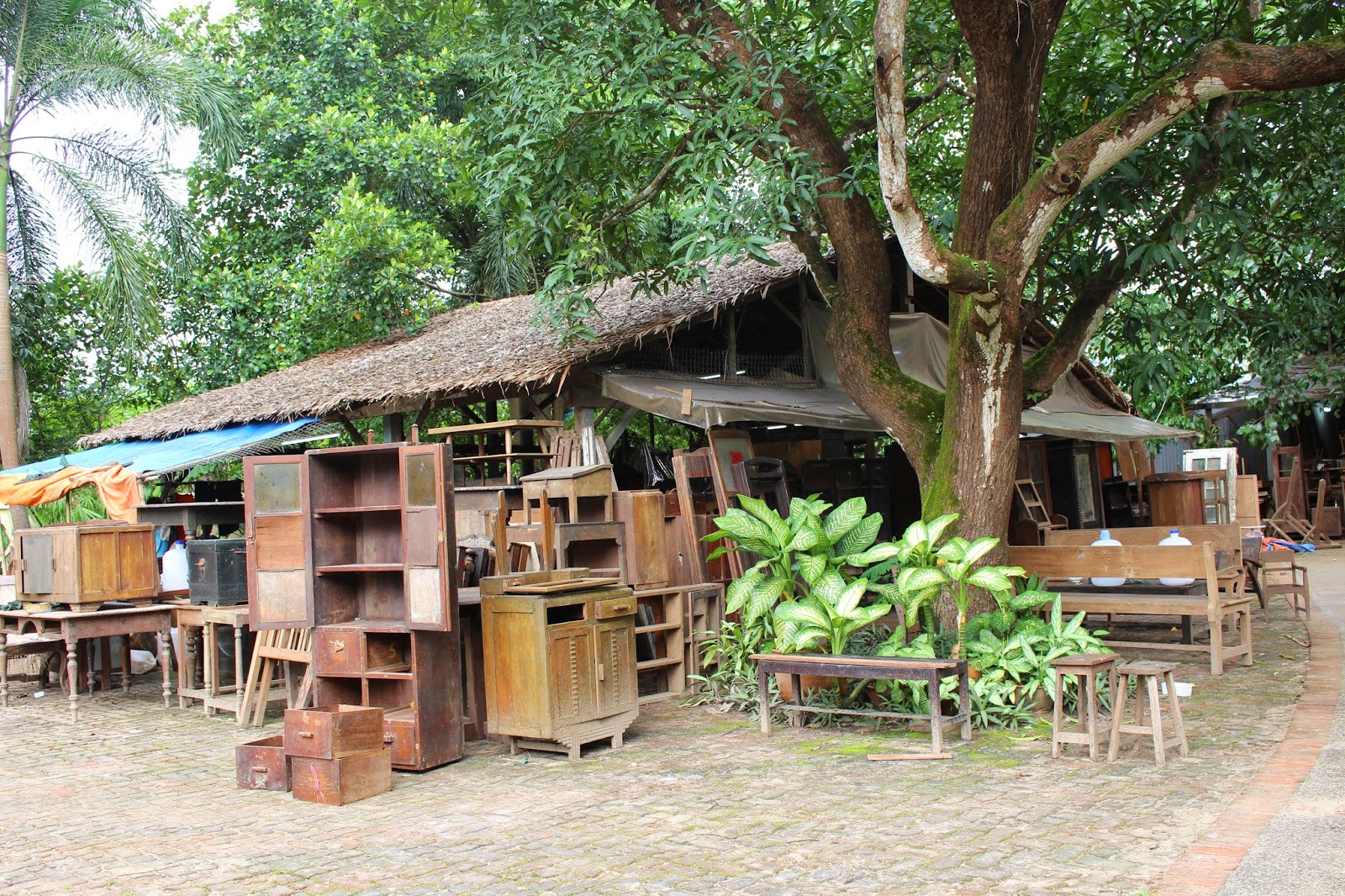
They are gathering old and unused furniture from all over Myanmar. They bring and store them in the courtyard which is partly sheltered.


The customer arrives and, in most cases, will be invited for a cup of tea or glass of water. You need to take time to look for the one piece of furniture you always wanted. Believe me you come for nothing you end up buying something, you come for one piece you buy two and so on :)! You have to have "the eye" and see the final product beyond the dirt, dust, missing parts of the wood. You have chairs, desks, beds, tables (coffee, TV, dining and outdoor tables), traditional Myanmar chests with hidden compartments, cabinets and different furniture for the living room. After you decide they will discuss with you the finishing, will tell you the price (you may negotiate) and will write your name on the piece you bought. You have to pay an advance and they deliver in 3 to 4 weeks time.  

Take a look at some of the final products!


2. Hearty Rattan
Address: 59, (room 3), Kabar Aye Pagoda Road, Yangon
(closed on Sundays)
@: heartyrattan@gmail.com

This is a tiny place and you would probably never find by yourself or enter through the garage like entrance with the tiny Hearty Rattan sign if you would not get it recommended by somebody. Even when you enter you will not find many things of interest on the ground floor. Everything on display is dusty and quite old. You are then invited upstairs and you are shown a few old catalogs and magazines with rattan furniture which they can reproduce for you. They have a small selection of rattan furniture on display and on the walls you can see pictures of rattan furniture made for different hotels and even the Australian Club of Yangon.  
The prices are very good compared with other places which sell rattan. Remember to always ask for a reduction. They can make almost everything out of rattan: (arm)chairs, tables, wardrobes, living room furniture, beds, lampshade, etc.

Here are some beautiful chairs we now have:


3. Burma Chindits
Address: write an email to jamie@burmachindits.com and he will explain how to reach their showroom.
We did not manage to yet visit them but the teak furniture on their website looks very nice; this company was recommended to us by different friends. It is definitely more expensive than Helping Hands but their furniture is new.