Monday, September 1, 2014

The Nagar Glass Factory

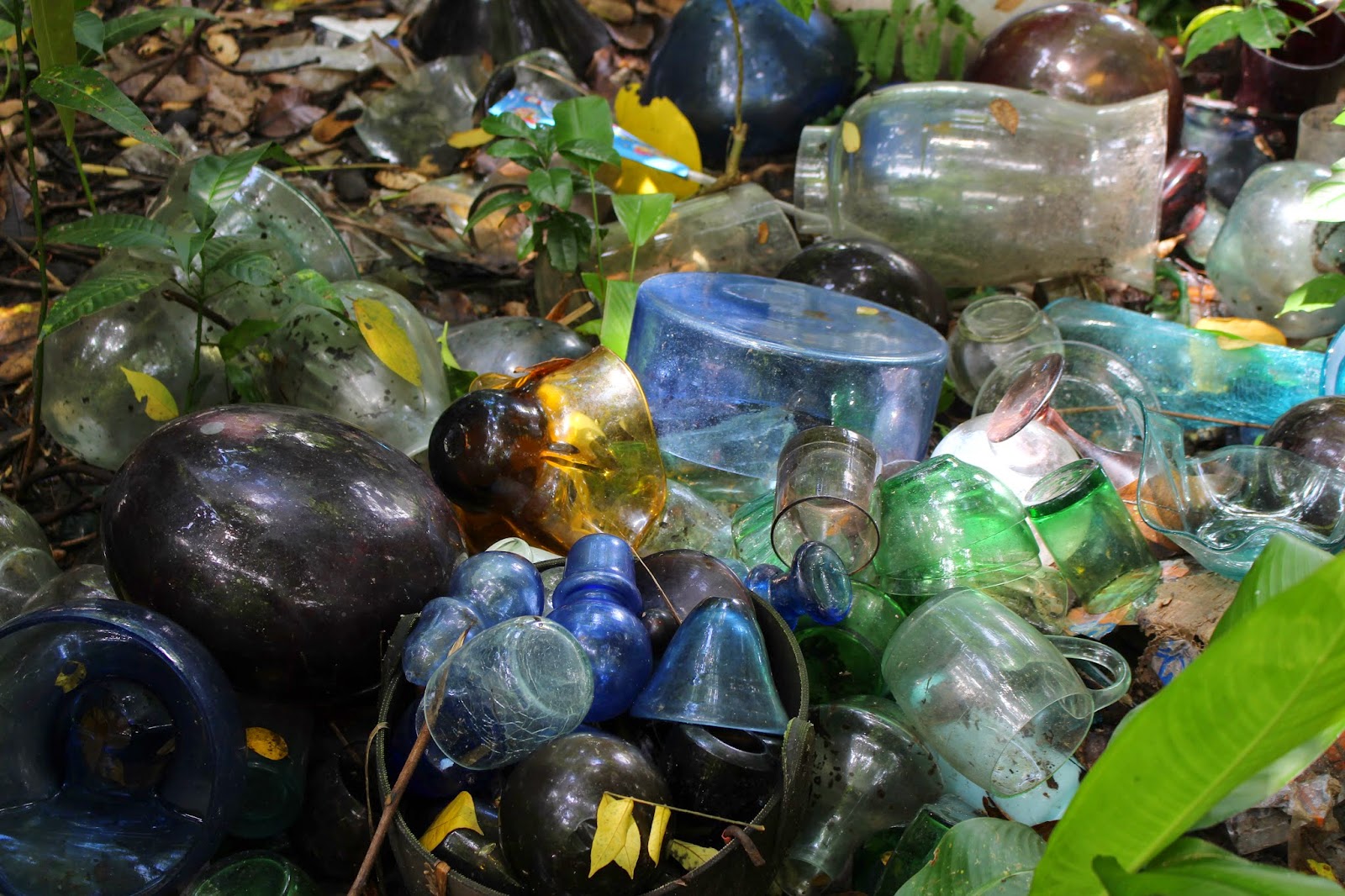
We visited on Sunday the Nagar Glass Factory which was shut down after it was destroyed by Cyclone Nargis in 2008. What a beautiful collection of glassware they had produced: yellow, blue, green, purple, brown and transparent glasses, vases, trays, fruit bowls, statutes and plates. Everything was hand blown or hand made.

The cyclone left the place in ruin and now, even after six years, you can still see the mass of destruction it left behind. Scattered around the garden there is a maze of broken glass, pieces of wood, intact glassware and destroyed tools and machinery. Only one machine continues working: the one which smoothens the edges of the cut glass. Interesting, this old and traditional machine now helps the owners to sell some of the remaining glassware in case it has unfinished edges. 


Slowly, the wild nature engulfs the glassware and sometimes you will have to literally dig in the mud to take out some pieces you like. In a sense, this is the really fun part, you can surprise yourself by finding really nice pieces of glassware that are still in a good shape, after which you can start looking for other similar pieces. And because we are in the rainy season and everything is soaked in rain you have water stagnating in the scattered glass. And this is a perfect place for the many mosquitos that live in that garden (that looks more like a jungle in places).

I read about this surreal place in different articles and blogs. If you want to know more about the story behind this once very successful factory and its owners which were trained by Murano glass blowers please read articles here and here. So we were very curious to see the place.

Interestingly enough, many locals we asked did not know about the factory or thought the place was completely shut down after Nargis. It is not easy to find the address but a good taxi driver will ask around and ours even opened the way for us when arriving because it was like entering a jungle. From the very first few steps you can see the glass spread around the grass and partly covered with mud.


The owners (the sons and daughters of the founders and their extended family – all have a good level of English) live in one of the remaining houses which has a small open space serving as a living room with a presentation table and shelves to showcase some of the salvaged glass wares. The TV in this open living was broadcasting the National Geographic in English.  The owner was sitting on a chair and watching very intensely at a show about hydro-planes.  It was a bit of a contrast between the poor and run down place and the old man being so emerged in the National Geographic TV show. This further emphasised the surreal atmosphere of the place.

Everything is in chaos like somebody mentioned in another blog. And there is no interest to try to have a bit of order and to gather the good glassware. They leave it either up to nature to burry this treasure or up to interested buyers to retrieve it, but they appear uninterested in bringing order. 

They mentioned the lack of storage space to house all the glass, after the cyclone tore down the factory and its storage rooms. And it would be costly to restart the production of the glassware. But the place has its charm and I believe the tourists are happy to look for, discover and dig up glassware. The pieces one will buy will have their own history. And the owners are happy to accompany you and look with you for a matching set of glasses.


I hope many people will visit this place and buy at least one piece as a souvenir. This is another extraordinary experience Yangon will offer you in case you will sometime visit. But take your time once there so that you can find the pieces you really like.

Sfârșit de săptămână în Bangkok

Am petrecut de curând un sfârșit de săptămână mai lung în Bangkok. Sunt multe companii aeriene care oferă zboruri între Yangon și Bangkok. Printre cele mai ieftine se numără Air Asia si Nok Air. Trebuie menționat că este mai ieftin să zbori între Yangon și Bankok decât între diverse puncte turistice din Myanmar. Deși sunt destul de multe companii aeriene, prețurile biletelor de avion au rămas foarte ridicate în interiorul țării.

Majoritatea turiștilor sosesc în Bangkok și petrec câteva zile în capitala Thailandei, după care se îndreaptă spre țărmul sau insulele din această țară în căutarea plajelor de vis.

Noi, în această scurtă vacanță de patru zile, ne-am propus să ne odihnim și să facem câteva cumpăraturi. În Yangon, dacă ai nevoie de produsele necesare zilnic nu este o problemă să le cumperi, chiar dacă nu în varietatea pe care o găsești în Bangkok. În schimb, dacă vrei să îți cumperi haine sau produse electronice de calitate ești destul de limitat. Ca și turist este interesant să faci shopping în cunoscuta piață Bogyoke. Vei găsi eșarfe de mătase produse pe lângă lacul Inle, fețe de masă și de pernă, lucrate manual în zona Shan a țării sau tradiționalele longyi, bucăți de material care se leagă sub formă de fustă lungă, purtate atât de femei cât și de bărbați. Acest lucru nu o să îl mai vezi în Bangkok. Acolo îmbrăcămintea este modernă și nu tradițională cum o găsești la majoritatea localnicilor din Yangon. Și bineînțeles, în Yangon, vei găsi bijuterii din aur sau argint cu pietre prețioase sau semi-prețioase pe toate gusturile și pentru toate buzunarele. Mai sunt alte câteva magazine prin oraș de unde poți cumpăra haine, dar oferta și prețurile nu sunt foarte atrăgătoare. În schimb poți cumpăra materiale, oferta fiind foarte bogată și să mergi la un croitor local. Sunt sigură însă că în câteva luni se vor deschide noi centre comerciale și aici, în Yangon. Orașul este într-o permanentă schimbare.

Pentru cumpărături, majoritatea expatriaților și oamenii bogați din Myanmar iau un avion până în Bangkok sau Singapore. Pentru a intra în Thailanda românii au nevoie de viză, care se poate obține destul de repede din aeroport dacă perioada de ședere nu depășește 15 zile. Vei face o poză în aeroport, completezi un formular și plătești în jur de 25 de euro (1000 Bhat) pentru o viză de 15 zile. Pentru perioade mai lungi viza trebuie obținută înaintea călătoriei. Bineînțeles, pentru tranzit nu este nevoie de viză.

În Thailanda, taxiurile sunt mai ieftine decât în Yangon, având în vedere distanțele. Dar cel mai rapid mod de transport este trenul suspendat (BTS skytrain) sau metroul (MRT). Ca și în Yangon în Bangkok traficul este o probemă, fiind îngreunat și de mulțimea de motocicliști și celebrele tuk-tuk (rișcă-bicicletă cu trei roți). Cu toate că eram obișnuiți cu traficul haotic din Yangon, am rămas impresionați de bulevardele largi cu trafic intens la orice oră din zi sau din noapte. Dar, ne-a plăcut mult podul suspendat pe care pot să îl folosească trecătorii, pe lângă trotuar. Așa ești ferit de soare sau ploaie și de o parte din gazele de eșapament, iar spațiul de circulat este mult mai larg decât pe trotuare. Poza de mai jos este făcută de pe un astfel de pod. Deasupra podului suspedat circulă trenul suspendat.


Hotelul nostru se afla aproape de unele dintre imensele centre comerciale thailandeze în care, pe bună dreptate, poți să stai o zi întreagă. Există foarte multe centre comerciale în Bangkok și diverse în sensul calității; înainte de a pleca am căutat informații despre majoritatea dintre cele vizitate. Astfel,  ne-au întrecut așteptările Siam Paragon și Central World pe care le-am vizitat de două ori pe parcursul celor patru zile, fiind foarte aproape de hotel. 

Am intrat și în elegantul Gaysorn, dar nu pentru cumpărături ci pentru a admira interiorul și vitrinele magazinelor de lux. 


Am vizitat și Platinum Shoppig Mall și Terminal 21, dar am ieșit foarte repede. În Platinum ne-am simțit ca și într-un imens bazar chinezesc, iar în Terminal 21 nu am găsit magazine care să ne placă. Turiștii (cei care nu sunt rezidenți în Thailanda) pot beneficia de rambursarea TVA-ului la ieșirea din țară dacă cheltuie peste 2000 Bhat (50 Euro) într-un magazin, iar în anumite magazine ai reduceri pentru turiști pe baza cardului de turist pe care trebuie să îl ceri din fiecare centru comercial. 

Prețurile nu sunt foarte diferite (poate o idee mai ieftin) decât cele din Europa, ideal este să ajungi când sunt reduceri, asta dacă dorești să cumperi produse de la firmele pe care le cunoști deja. Nu am ajuns în piețele locale, unde am ințeles ca se pot negocia prețurile și poți cumpăra și en-gross. În schimb, am găsit rochii drăguțe, prelucrate local, la prețuri foarte bune. Rămâne de testat calitatea.

Bangkok-ul ca și oraș e impresionant: zgârie-nori, clădiri cu structuri nemaivăzute, multă sticlă. De aceea, chiar dacă stai numai o noapte trebuie să vezi orașul de la înălțime. Astfel, poți să bei un cocktail la barul Octave de la hotelul Mariott aflat la etajul 45 sau servi masa la unul dintre restaurantele recomandate. Un prieten ne-a recomandat restaurantul Above 11, masa 8, pentru o cină romantică. Nu uita să rezervi din timp pentru a avea o masă cu vedere la impunătoarele clădiri luminate noaptea.

Și, în final, am mers la spa. Am găsit o ofertă foarte bună la centrul So Thai Spa. Astfel, timp de patru ore am fost rasfățați amândoi cu un masaj thailandez la picioare, un scrub, un masaj corporal cu ulei și un tratament facial. A fost foarte bine.

Cred că ne vom întoarce cât de curând, probabil pentru a vizita obiectivele turistice!


Saturday, August 30, 2014

Some thoughts about the last weeks in Yangon

The weather improved a lot. There is still some rain but at least we see the blue sky from time to time and feel the intensity of the sun.

Changing the hotel and its many facilities and moving to a new house is quite challenging. Things that one should consider when moving to a new home in Yangon: distance to work due to heavy traffic, flooded areas of Yangon, internet connection, Buddhist schools (they have Sunday programme which takes several hours and is very loud) or markets (open very early and some sellers sell their products very vocally and loudly) close by, quality of the generator, water tank and roof, proximity to the Inya lake and its convenience/inconvenience: running paths vs. snakes in the garden, frogs' concert at dusk.

We spent a long weekend in Bangkok. What a difference when coming back to Yangon. When we first arrived here, from Europe, we did not have any expectations and we took things as they came. But now, not even an hour away by plane, our stay in Bangkok highlighted the huge differences with Yangon. After four days spent in Bangkok, arriving in Yangon it was like returning back to a provincial town. It starts with the rudimentary taxi at the airport, the basic and small buildings which line the streets, the traditional clothing the most Myanmar people wear, and the bettel the men chew and spit on the streets. The common thing they have is the heavy traffic. There are many expats and rich Burmese who actually spend their weekends in Bangkok mostly for shopping and going out in fancy places.


But, as already mentioned, Yangon is changing rapidly. Shops, offices and foreign representations, restaurants, apartments buildings are being built or opening each day. It is very impressive to be here these days to witness this rapidly changing environment and the buzz that comes with it.

Last, SOS International Clinic at the Inya Lake hotel is a good address in case you are getting ill. Foreign and local doctors provide a very good and quick service. Inside the clinic they also have a pharmacy. We experienced its services when visiting with food poisoning which put us down for almost two weeks. Things are indeed different here compared with other places we have been :)!


Myanmar Gems Museum

We visited the Myanmar gems museum on the Kaba Aye Pagoda Road. It is a 20 min ride from downtown with no traffic.

The country is famous for its gems: it has every kind of precious and semi-precious gems you can imagine. Inside the museum there is a huge map of Myanmar, in relief, showing the different mines inside the country. You can press different buttons which will light up colourful leds showing the different locations of the mines based on their main gem production. We pressed all buttons and the map looked like a Christmas tree.

The museum sits on the 4th floor of the building. The below floors are occupied by dozens of shops which sell jewelery in silver and gold with all kinds of gems. Myanmar is well-known for jade. You will find cheap jewelery in jade starting from a few dollars and going to a few thousands. The darker the green hue of the jade the better the quality. The Myanmar diamond is only of secondary quality; the best one is in Africa. However, Myanmar has the best quality sapphire and ruby stones out there.

You can visit the museum in a maximum 40 minutes so it is better to visit if you also want to buy some souvenirs. Be sure you negotiate the price and be aware that if you wish to pay by credit card an additional fee of 4% will be added.

Below a very small selection of the beautiful pieces one can buy (purple saphhire set in gold ring and jade jewellery set in white gold).


Another place where you can buy jewelery is the Scott Market (Bogyoke Market). The market is quite touristic and it is quite tough to negotiate a good price. Some sellers even set the initial price so high that you just have to walk away. The problem here is the quality of the stones and unless you are an gems expert you may pay for inferior quality at the price of good quality.

For plain and good quality gold jewelery you have to visit the Chinatown in Yangon. There are plenty of small shops selling yellow gold at decent prices.

Saturday, August 9, 2014

MESO soap handmade in Myanmar

The MESO Soap is handmade in Myanmar by local young women to help young students continue their High School Education. Behind this initiative of raising additional funds by producing natural soap stands the Japanese lady, Ms Nobuko Shoda from the Myanmar Education Support Organization (MESO). MESO is a Japan-based organization supporting students by providing scholarships funded by annual membership contributions and donations from international supporters.

Ms Nobuko Shoda is now employing three staff to produce and sell the soaps and the revenue from this activity helps to finance a school close to Yangon in the YWAR THIT GYI village.

I met two young ladies who work in the workshop. They are 23 and 21 years old; with their income they also help their families back home.

The soap is sold in different locations in Yangon: hotel Chatrium, Pomelo shop, the Ichiban Kan Japanese restaurant, the Genki Physiotheraphy Clinic. The soap bars cost 5000 Kyatts each.

In case you order above 20 pieces you can contact directly Ms Nobuko Shoda by email (ygn@meso-intl.org) and receive a discount.

All ingredients are natural, indigenous and environmentally friendly without any chemicals or synthetic fragrances. The paper in which the soap is wrapped comes from the Shan state.

There are four types of soap: natural, thanaka, bamboo charcoal and moringa.


I already bought quite a few for the family back home!


Wednesday, August 6, 2014

Myanmar culture and people

I cannot claim I have been learning a lot about Myanmar people but I would already like to make some observations and also say a few words about an article I read on the cultural differences and sensitivities between Westerners and Asian people.


Already in the past when I visited this country, only for a couple of days, I was surprised how hugely polite Myanmar people are. You can even say that, at the same time, they are shy with foreigners. In general, when people meet they smile to each other and bow. As their client they will do the utmost to make you happy. What a difference with Europe!

But the first thing that struck me after arriving here was the fact that Myanmar people are status-conscious. Everybody seems to know their position and act accordingly. And I do not refer only to age and professional status. One can see and feel the difference between rich and poor people. People here are having drivers which stay outside restaurants waiting for their boss to finish their meal, people employ a cook and a maid and perhaps a guard which also live at their house in special quarters like the most natural thing. And it is not only a few people. With the businesses and wealth coming back to Myanmar more and more local people are considering this help. And, of course, for the expats it is something very useful especially when you work around 10 hours a day. I do not want to debate the ethics of this.

And it is said that Myanmar people are more laid back. But people are slowly changing. The exception is made by the ones which lived for a period outside the country and returned or the ones who work with foreigners.

Another thing is that people laugh when they do not understand you. They will never say they did not understand. And they even say yes!yes! This is probably because they are embarrassed and do not want you to get upset.

The Myanmar people are friendly indeed. They will ask you about your family, age, work from the very first meeting. They will invite you to social events, to dinners or lunches and even to holiday houses they have in the country side.

The Crossroads magazine article I read speaks about doing business with Asian people and gives some advice to the Westerners:

1. start socially: one should never start with a business meeting but with a social event like a dinner or reception so that both sides get to know each other. 
2. immerse slowly in the business: first give an overview of the organization, of the project or of the future relationship. The authors states that "Asian like to see the forest first and then the trees". 
3. keep the documentation simple and clear. As already hinted Asian people will praise the business relationship, the trust, and not so much the written contract. 
4. be patient as there may be long delays because the Asian want to consult within their organization. The Asians like to discuss a variety of issues many of which will not be included in a contract. The author sees the positive sides: lengthy discussions will bring the parties closer together, you avoid mistakes.
5. maintain harmony by practicing good manners. Myanmar has no distinction between first name and family name and that is why you should use the full name unless they will invite you to use an alternative name. Many people in Myanmar also have a Western name which they prefer to use with foreigners.
6. never underestimate the language barrier. As I stated above it is better to avoid uncomfortable situations by hiring an interpreter.

On the same topic I was told that Myanmar people read and write English better than they speak it. It seems that the teachers in the past insisted on the written and not the spoken language.

The author, David James, believes that the points above are "strategies for success" when doing business with Asian people.

We are delighted to be here and learn about the culture and the people of Myanmar!


Tuesday, July 29, 2014

Myanmar Language Class

Today I finished my Myanmar language class at Moe Myanmar language center.

The course costs 300.000 Kyatts (a bit more than 300 USD) for 20 hours.The classes consists of 4 to 6 persons but I was lucky enough to have followed this course with just another person.

Moe is a very good and patient teacher and together with her assistant they taught us the spoken Myanmar language, beginners level. We received one book and a CD with all lessons in spoken Burmese.

The beginners course comprises 10 lessons: survival phrases, numbers and money, meeting people, food, taxi and direction, addressing people and family, calendar days of the week, shopping, travel&accommodation, work&emergency words.

After each lesson we had an extensive review and this helped us a lot in the learning process. The teacher uses flashcards, listening exercises and quizzes.


Basically we learned the spoken language in Roman characters and it would go without saying that the writing and speaking course should follow, if time allows.

There are four different tones, with high, low, creaky and stopped. For example "la" in different tones would mean: lḁ - month, la - to come, la: - question particle: is it? or la' - middle!

The word order is subject - object - verb, and some phrases would be twisted when translated: Yei tǝ bu: pei pa, which means water one bottle give please. Please note that there are different ways of phonetically writing the language.

The language seemed very complicated at the beginning but once I got used to the phonetic and the many syllable structure (consonants followed by vowels) it became easier. I have the most difficulties at listening and translating from Myanmar into English because it is hard to split the phrase as the words are short syllables and of course they speak quickly.

Below the combination of words I like so far:
Myanmar: fast and strong.

Ein thaun: ein=home + thaun=prison but used together mean marriage :)
Hin yei: hin=curry + yei=water but used together mean soup.
Note that you can say soup in three different ways, one of which I mentioned.


Tar-tar (phonetically ta-ta) - Goodbye!